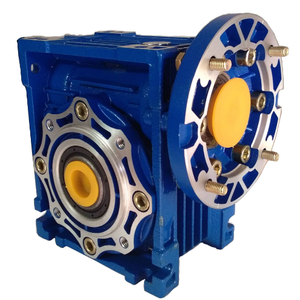

PRODUCT PARAMETERS
Description
Overview of Brass worm gear module 2 and steel worm
Gears are mechanical elements that are typically used to transmit rotational motion and force. They work by meshing teeth with each other to change speed, direction of torque, or to transfer power between multiple shafts. Gears are an integral part of mechanical engineering and are widely used in a variety of mechanical devices.
Advantages and features of Brass worm gear module 2 and steel worm
Efficient transmission: Gears are capable of directly converting power with high efficiency and low energy loss.
Precise ratios: the desired ratio of speed and torque can be obtained by selecting gears of different sizes.
Compact: Brass worm gear module 2 and steel wormsystems take up less space than other forms of power transmission.
High durability: well-designed gears can operate stably for long periods of time in harsh environments.
Low noise and vibration: Modern Brass worm gear module 2 and steel wormmanufacturing technology ensures smooth operation and reduces noise and vibration.
Various types: Spur, helical, and bevel gears are available depending on the application scenario.

(Brass worm gear module 2 and steel worm)
Specifications of Brass worm gear module 2 and steel worm
Here are the specifications for the brass worm gear module 2 paired with the steel worm. This combination offers reliable power transmission. The brass worm gear uses module 2. This means the tooth size relates directly to a 2mm pitch circle diameter per tooth. The number of teeth on the brass gear usually ranges from 20 to 40 teeth. This tooth count affects the gear ratio and torque output. The pressure angle is typically 20 degrees. This angle ensures smooth meshing with the worm. Brass works well. It provides good wear resistance against the harder steel worm. Brass also has natural lubricity. This reduces friction during operation.
The mating part is the steel worm. Steel provides high strength. It handles significant loads without deforming. The steel worm surface is hardened. Hardness often reaches 45 HRC or higher. This hardening process makes the worm very durable. It resists wear from constant contact with the brass gear. The worm thread profile is precise. Precision machining ensures accurate engagement with the gear teeth. This minimizes backlash and vibration. The worm usually has a single start thread. Sometimes it has a double start for higher speed ratios. The thread lead angle matches the gear helix angle. This alignment is critical for efficient power transfer.
Pairing the brass gear with the steel worm creates a good system. Brass is softer. It acts sacrificially. This protects the harder, more expensive steel worm. The combination runs quietly. It generates less noise than some other metal pairs. This gear set handles high reduction ratios efficiently. It provides strong braking action. The system resists reversing motion from the output side. Lubrication is necessary. Proper lubrication extends the life of both parts significantly. These gears are common in many applications. You find them in conveyors, lifts, and small machinery. They offer dependable speed reduction and torque increase. The brass gear and hardened steel worm work reliably together under continuous use.

(Brass worm gear module 2 and steel worm)
Applications of Brass worm gear module 2 and steel worm
Brass worm gear module 2 with a steel worm is a strong combination. This pairing works well in many machines. It is especially good where you need high reduction ratios in a small space. The steel worm is very hard. The brass gear is softer. This difference matters. The brass wears down a bit over time. This protects the steel worm. The steel worm lasts much longer this way. It is a smart design.
You see this setup often in places needing smooth, quiet power. Conveyor systems use it. It moves things steadily and reliably. Packaging machines rely on it. It handles the start-stop action well. Small lifts and hoists benefit too. The gearbox stays compact yet powerful. Industrial mixers use it. The gear handles constant force without failing. Door operators need quiet operation. This gear pair delivers that.
The brass and steel combination offers clear advantages. It handles heavy loads effectively. The sliding action between the surfaces is smooth. This reduces vibration significantly. Less vibration means quieter running. That’s important in workplaces. The gears also resist shock loads well. Sudden jolts won’t easily break them. Maintenance is straightforward. Lubrication needs are simple. The gears run reliably for a long time. Downtime is reduced. This saves money.
The module 2 size is common. It offers a good balance of strength and size. Many standard gearboxes use this size. Finding replacements is usually easy. The brass gear is affordable. The steel worm adds durability. Together they provide excellent value. They are a practical solution for countless motion control tasks. Factories use them daily. They just keep working.
Campony Introduction
Established in 2002, Shift Gear Machinery Co.,ltd. focus on metal research and mining machinery spare parts. 2 factories over an area of 13,300 square meters, based on 100+ sets of equipment, our production capacity reaches 12000 Tons/Year. has passed ISO 9001 quality managment system certification in 2008.
Our mainly products are dragline excavator spare parts,rotary kiln spare parts, large modulus gear (gear shaft), gearbox ect. 40+ patents with over 45 years experience to help focus on improve the service life of spare parts. We belive that more than 80% reason of mechanical parts’ working life depends on hot processing (steel making/forging/casting/welding/heat treatment). Eight material engineers will control the quality from the original resource.
If you are interested, please feel free to contact us.
Payment
L/C, T/T, Western Union, Paypal, Credit Card etc.
Shipment
By sea, by air, by express, as customers request.
5 FAQs of Brass worm gear module 2 and steel worm
What is this brass gear and steel worm for?
This gear set moves power at sharp angles. It turns rotating motion 90 degrees. It handles light to medium loads well. Brass and steel work smoothly together. It fits many small machines needing direction changes.
Why use brass with steel?
Brass wears down gently against hard steel. This prevents sudden jams. The softer brass protects the harder steel worm. This pairing lasts longer. It runs quieter than other metal pairs. It needs less upkeep too.
What does “module 2” mean?
Module 2 defines the gear teeth size. It tells you how big the teeth are. Module 2 teeth are small. This size fits compact spaces. It gives good strength without being bulky. It matches common small motor outputs.
Where is this gear set typically used?
You find it in many small devices. Examples include small conveyor drives. It works in adjustable seats. It powers some camera mounts. It operates certain valve controls. It fits anywhere space is tight and a right-angle turn is needed reliably.
Does it need special grease?
Yes, proper grease is important. Use a good worm gear lubricant. This grease handles high pressure between the sliding surfaces. Apply it regularly. Check the grease level often. Proper lubrication stops early wear and keeps it running quietly.

(Brass worm gear module 2 and steel worm)
REQUEST A QUOTE
RELATED PRODUCTS
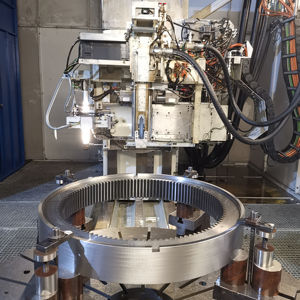
Custom made Different types of machine gear plastic small gear peek gears
Custom Gear Speed Reducers 10-60 ratio WPA Worm Gearbox single speed Reducer
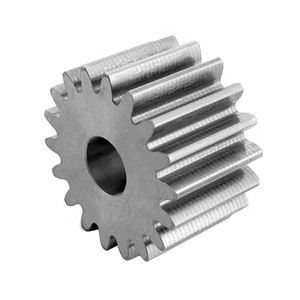
BBQ gears for Cyprus Rotisserie Grill Gear Set System

Trator Spare Parts 5125010 gear sleeve 23 T fits for Agriculture Machinery Parts
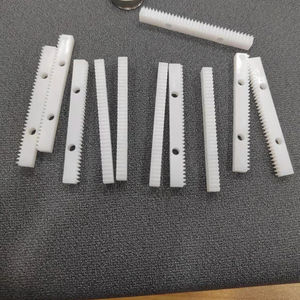
OND manufactures 26 27 28 mm height 2 6 lugs black pom gear rack and pinion lift